
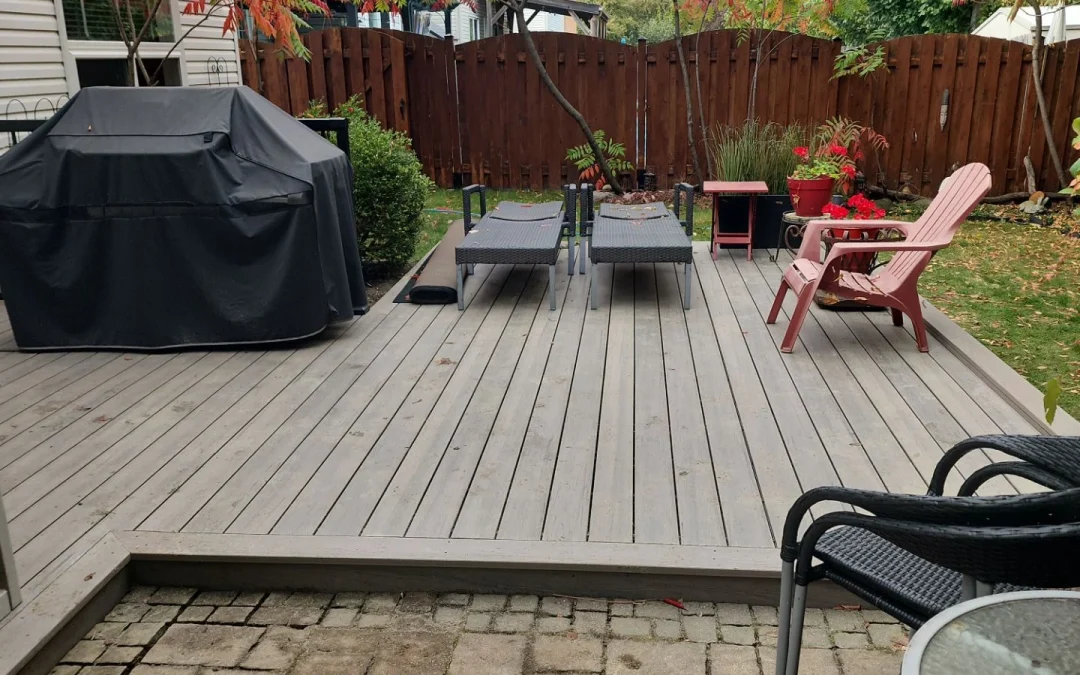
One of the advantages of interlock over concrete or asphalt is the design flexibility. The same paving stone can be laid in dozens of different patterns, each with a different look, feel, and even structural performance. Choosing the right pattern for your Ottawa driveway, patio, or walkway is part aesthetic decision, part practical one.
This guide covers the most commonly used interlock laying patterns, what each looks like, and when each makes the most sense.
Why Pattern Choice Matters Beyond Aesthetics
Pattern isn’t just about how an installation looks – it also affects structural performance and installation complexity:
- Interlocking performance: Patterns like herringbone distribute load across more stones, making them better suited for driveways under vehicle traffic
- Labour and cost: Complex patterns with cuts on curves or intricate inlays take more time to install
- Visual effect: Pattern direction can make a space look larger, smaller, longer, or wider depending on the angle
- Stone type compatibility: Some patterns work better with certain stone shapes and sizes
The Most Popular Interlock Patterns in Ottawa
1. Herringbone (45° or 90°)
Herringbone is the most common pattern for driveways – and for good reason. The interlocking zigzag configuration distributes load laterally across adjacent stones, making it structurally superior for surfaces that carry vehicle weight. Under tire pressure and braking force, herringbone resists lateral movement better than running bond or stacked patterns.
The 45° herringbone (diagonal to the driveway direction) is the most visually dynamic and offers the best load distribution. The 90° version is slightly easier to install and aligns with the edges of the space. Both are excellent choices for Ottawa driveways.
2. Running Bond
Running bond is the classic brick pattern – rows of stones offset by half a stone length, like traditional brickwork. It’s clean, timeless, and works well for walkways and patios where vehicle traffic isn’t a factor. It’s generally not recommended for driveways, as the continuous joint lines in one direction are more susceptible to lateral spreading under vehicle load.
Running bond is one of the faster patterns to install, which can make it a more economical choice for large patio areas.
3. Stacked Bond
Stacked bond aligns all joints in both directions, creating a grid pattern. It has a very contemporary, architectural look that works well with modern home styles. Like running bond, it’s better suited for patios and walkways than driveways. The continuous joint lines make it susceptible to creep under vehicle loading without exceptionally solid edge restraints.
4. Basketweave
Basketweave alternates pairs of stones in perpendicular directions, creating a woven appearance. It’s a traditional pattern that looks particularly good with tumbled or textured stones. Works well for patios and garden paths. Requires uniform stone dimensions for a clean result.
5. Fan / Circular Pattern
Fan patterns radiate outward from a central point, creating a distinctive curved or circular design. Often used as a feature element – a focal point within a larger patio, or as the entry feature of a driveway apron. Requires significant cutting and more labour-intensive installation, which increases cost. The visual payoff is substantial when done well.
6. Random / Ashlar Pattern
Ashlar uses multiple stone sizes in a seemingly random but carefully planned layout. The varied stone sizes create a natural, organic appearance that pairs well with gardens, pool surrounds, and naturalistic landscapes. More complex to plan and install than uniform-size patterns, but the result looks less “constructed” and more like natural stone.
Pattern Recommendations by Application
| Application | Recommended Pattern(s) | Why |
|---|---|---|
| Driveway | Herringbone (45° or 90°) | Best load distribution and resistance to lateral spreading under vehicle traffic |
| Front walkway | Running bond, herringbone | Clean and classic; running bond is slightly faster/more economical |
| Backyard patio | Running bond, basketweave, ashlar, stacked bond | Pedestrian use only – more pattern options available |
| Pool surround | Running bond, ashlar | Complements the natural/outdoor setting; ashlar looks particularly good near water |
| Feature element / entry | Fan / circular | Creates a focal point; higher cost but maximum visual impact |
| Garden path | Running bond, ashlar, basketweave | Light use; aesthetics are the primary consideration |
The Role of Borders and Soldier Courses
Most interlock installations include a border – typically a single or double row of stones laid perpendicular to the main pattern, forming a frame around the installation. Borders serve both aesthetic and structural purposes:
- They create a visual edge that defines the space and makes the installation look finished
- They help contain the main field pattern and reduce the need for cut stones along irregular edges
- A well-designed border in a contrasting colour or stone type is one of the most impactful design decisions in an interlock project
A “soldier course” is a specific border style where rectangular stones are laid lengthwise, like soldiers standing at attention. It’s a classic choice that works with almost any main pattern.
Colour and Stone Type Considerations
Pattern is only one dimension of design. Stone colour, texture, and finish matter equally:
- Lighter stones make spaces feel larger and show dirt more readily
- Darker stones tend to show efflorescence (white mineral deposits) less, but retain heat in summer
- Tumbled finishes have a more aged, natural look; they hide minor chips better than smooth-faced stones
- Smooth/sawn finishes look more contemporary but show wear slightly more over time
Ottawa-area suppliers like Techo-Bloc carry extensive colour and finish ranges. See our project portfolio for examples of different stones and patterns installed locally.
Frequently Asked Questions
Does pattern affect the cost of interlock installation?
Yes, to a degree. Simple patterns like running bond and 90° herringbone are faster to install. Complex patterns with lots of curves, fan elements, or multiple stone sizes require more labour and often more cutting, which adds to the total cost. See our guide on interlock pricing in Ottawa for more on what affects overall cost.
Can I mix patterns in one project?
Absolutely – and it often looks great. A common approach is a herringbone field for the driveway with a fan or circular feature at the apron near the street, or a running bond patio with a basketweave border. Mixing patterns intentionally creates visual interest and defines different zones within the overall space.
Which pattern is most popular for Ottawa driveways?
Herringbone – both 45° and 90° – dominates Ottawa driveway installations because of its structural performance. It’s also a classic pattern that ages well and complements most home styles. The 45° version tends to be slightly more popular for its visual dynamism.
Get Your Free Estimate Today
Ready to explore design options for your interlock project in Ottawa? Contact JAL Deck & Interlock for a free estimate – we offer 2D design consultations to help you visualize your project before work begins. We serve Ottawa and surrounding areas including Stittsville, Carleton Place, Nepean, Barrhaven, and beyond.